


Welcome to Upper Cervical Spine Care. This space is dedicated to discussing health, not disease.
Much of what is commonly referred to as a healthcare system is structured around disease management. People typically enter the system after symptoms appear, diagnoses are made, and dysfunction is already present.
By downloading the Digital Patient Chart mobile app you can better control your patient portal.


Care is then directed toward reducing or controlling those symptoms. While this approach may manage outcomes, it often leaves a more fundamental question unanswered: why did normal function change in the first place?
A health-centered model looks upstream. It examines how the body maintains balance, adapts to stress, and coordinates its internal systems long before disease develops.
From an upper cervical chiropractic perspective, health is not something imposed from the outside. It is a natural state that emerges when the body’s regulatory systems are allowed to operate without unnecessary interference.
Health as a Process, Not an Event
Health does not occur in isolation. It is the cumulative result of daily activities and inputs, including:
- Nutrition
- Physical activity
- Sleep quality
- Stress exposure and recovery
- Environmental demands
These factors interact continuously. However, none of them function independently of the nervous system. Every adaptation the body makes—whether to food, movement, injury, or stress- is coordinated through neurological control.
For this reason, understanding health requires an understanding of how the nervous system works and what may influence its performance.
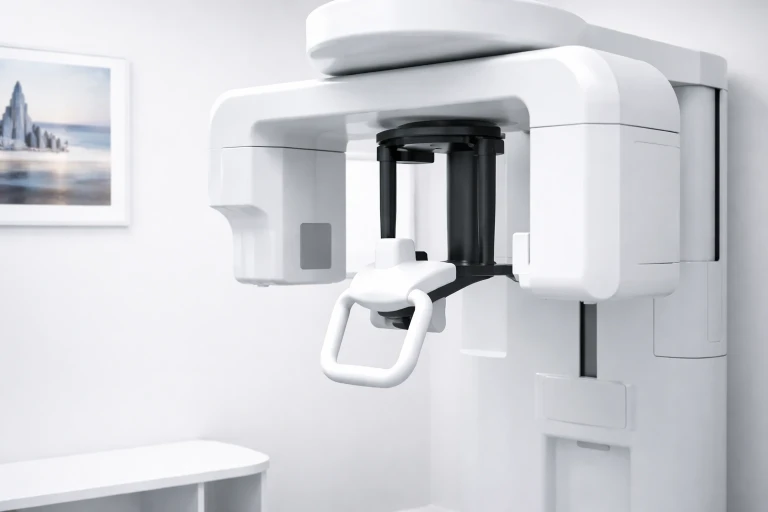
The Nervous System: Communication Above All Else
The nervous system is composed of the brain, spinal cord, cranial nerves, and spinal nerves. Together, these structures form the body’s primary communication network.
This network functions as a two-way system:
- The brain sends signals that regulate movement, posture, organ activity, hormone release, and cellular behavior.
- The body sends sensory information back to the brain regarding position, load, temperature, pressure, and internal conditions.
Every second, billions of chemical reactions are initiated, adjusted, or inhibited based on this ongoing exchange of information.
When communication is accurate, the body self-regulates efficiently. When communication is altered, the body adapts as best it can, sometimes in ways that are less efficient or sustainable over time.
The Upper Cervical Spine’s Unique Role
At the top of the spine, just below the skull, is the upper cervical region. This area includes the atlas vertebra, the top bone in the neck, which supports the head and surrounds the brainstem as it transitions into the spinal cord.
This region is structurally and neurologically unique:
- The head’s weight is balanced on a small bony foundation
- The brainstem, a major control center, passes directly through this area
- Every signal traveling between the brain and body must pass through this junction

Because of this concentration of responsibility, even small structural changes in the upper cervical spine can alter how information is transmitted.
Trauma and Subtle Changes
Many forms of physical stress can influence upper cervical alignment, including:
- Motor vehicle accidents
- Sports-related head or neck injuries
- Bicycle or recreational accidents
- Falls
- Physical altercations
These events do not need to be severe to have an effect. In some cases, the displacement of the atlas vertebra may be measured in millimeters.
Despite the small magnitude, the potential impact on neurological signaling can be meaningful due to the density and sensitivity of the structures involved.
The body often compensates for these changes. Muscles adapt, posture shifts, and movement patterns adjust. These adaptations may allow daily function to continue, but they can also place additional demands on the nervous system over time.
A Missing Piece in Public Health Awareness
Most people recognize the importance of nutrition, exercise, sleep, and relaxation. These concepts are widely discussed and generally well understood. Far fewer people are familiar with the role of upper cervical alignment in neurological communication.
The junction between the head and the atlas is not commonly addressed in mainstream health conversations, despite the fact that every signal leaving the brain must pass through this area.
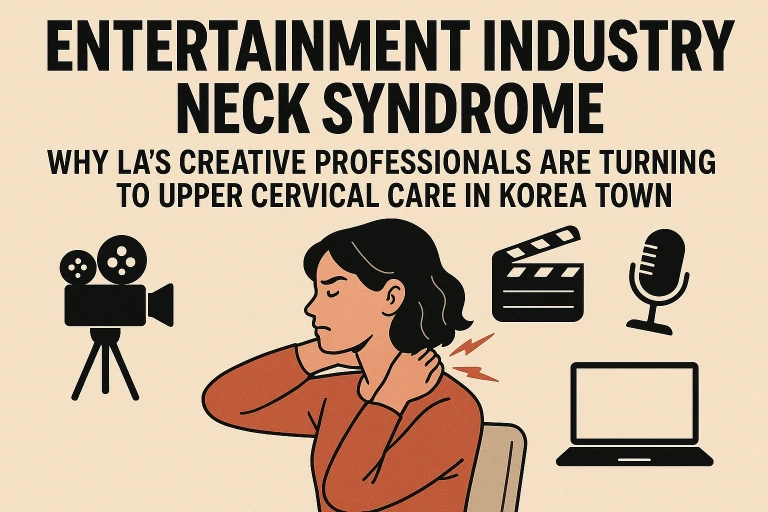
When this junction is functioning optimally, communication remains efficient. When it is compromised, the nervous system must adapt to altered input.
Upper cervical care exists to evaluate this specific relationship and determine whether structural changes may be influencing neurological function.
A Different Lens on Care
Upper cervical chiropractic care does not approach the body by chasing symptoms or naming diseases. Instead, it focuses on assessing whether the nervous system is receiving and transmitting information without mechanical interference at the top of the spine.
This approach views health as the result of:
- Clear neurological signaling
- Structural integrity
- The body’s inherent ability to adapt and self-regulate
By restoring and maintaining proper alignment in the upper cervical spine, the goal is to support the nervous system’s capacity to coordinate the body as a whole.
An Invitation to Learn More
Upper cervical spine care offers a framework for understanding health beyond symptoms and diagnoses.
For individuals interested in learning how the head–neck relationship may influence nervous system function, a focused upper cervical evaluation can provide valuable insight.
If you would like to learn more about this approach or explore whether upper cervical care is appropriate for you, you are welcome to visit our practice and begin that conversation.



Leave a comment