

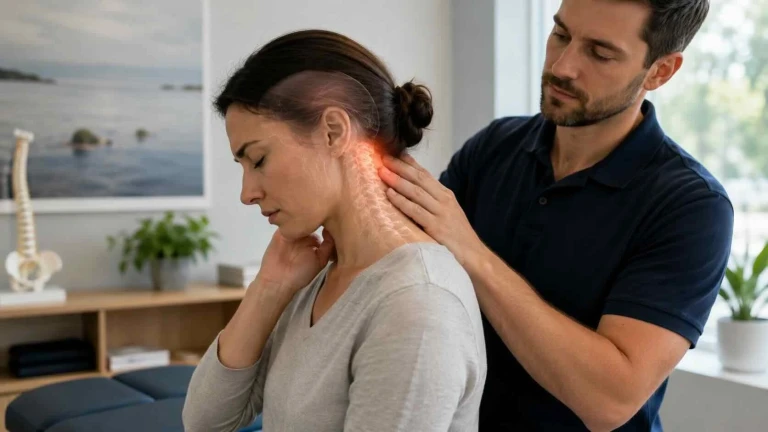
A headache that starts in the neck is not always a migraine or tension headache.
For some people, the actual source of the pain is a joint, muscle, ligament, or nerve in the cervical spine. The discomfort may begin at the base of the skull, travel up one side of the head, settle behind an eye, or become worse whenever the neck turns.
By downloading the Digital Patient Chart mobile app you can better control your patient portal.


This condition is known as a cervicogenic headache.
Because cervicogenic headaches can resemble migraines and other headache disorders, many patients spend months treating the area where they feel the pain without investigating where the pain may begin.
What Is a Cervicogenic Headache?
A cervicogenic headache is a secondary headache caused by a disorder or dysfunction involving the cervical spine or the soft tissues of the neck.
“Secondary headache” means that the headache is a symptom of another physical problem rather than a primary headache disorder. The pain is referred from the neck into the head, so the place where a person feels the discomfort may not be the place where it originates.
The upper cervical spine includes the atlas and axis, also called the C1 and C2 vertebrae. These two vertebrae support the head and allow a significant amount of head and neck movement. They are surrounded by joints, muscles, ligaments, nerves, and other sensitive structures that can contribute to referred head pain when irritated or functioning improperly.
What Does a Cervicogenic Headache Feel Like?
Cervicogenic headaches often follow a recognizable pattern.
Common symptoms include:
- Pain beginning in the neck or at the base of the skull
- Headache affecting mainly one side
- Pain traveling toward the forehead, temple, or eye
- Reduced neck range of motion
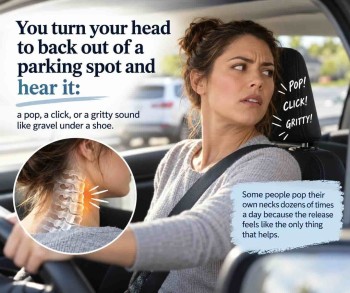
- Headaches triggered by turning or tilting the head
- Tenderness beneath the skull or in the upper neck
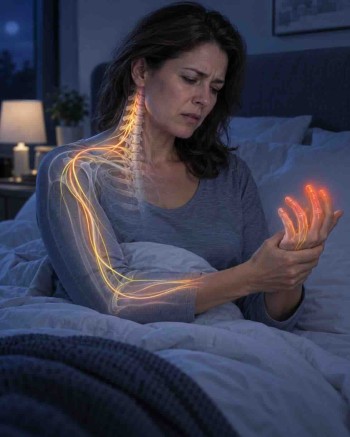
- Same-side shoulder or arm discomfort
- Symptoms that worsen after driving, computer work, or phone use
Related article

Healing After Car Accidents: The Power of Upper Cervical Chiropractic Care
Aug 25, 2023A cervicogenic headache may become more noticeable after the neck remains in one position for an extended period. Some people notice symptoms when looking over one shoulder, working with the head tilted forward, or waking after sleeping in an uncomfortable position.
Limited neck movement and pain that increases with cervical motion are two characteristics that may help distinguish cervicogenic headaches from other headache types. However, symptoms can overlap, so a professional evaluation is important.
Why Can a Neck Problem Cause Head Pain?
Sensory information from the upper cervical nerves and the trigeminal nerve system meets within a shared processing region commonly called the trigeminocervical complex.
Because signals from the head and upper neck converge in this region, the nervous system may interpret irritation from cervical structures as pain in the back, side, or front of the head. This neurological connection helps explain why pain originating near the upper neck can sometimes be felt behind the eye or across the forehead.
Possible contributing factors include:
- Whiplash or automobile accidents
- Sports injuries
- Falls or impacts involving the head
- Restricted cervical joint movement
- Repetitive workplace posture
- Prolonged phone or computer use
- Muscle guarding beneath the skull
- Age-related changes in the cervical spine
This does not mean that every headache is caused by an atlas misalignment. Headaches have many possible causes, and the cervical spine should be considered as one part of a thorough evaluation.
Can Upper Cervical Chiropractic Help Cervicogenic Headaches?
Upper cervical chiropractic may help appropriately selected patients by addressing restricted cervical movement, joint dysfunction, postural compensation, and muscular strain that contribute to their headache pattern.
Upper cervical chiropractic focuses specifically on the relationship between the head, atlas, and axis. Instead of applying the same adjustment to every patient, the chiropractor examines the individual structure and mechanics of the upper neck.
UC Spine Care uses the Blair Upper Cervical Technique, which incorporates individualized imaging and gentle, precise corrections. The method does not rely on forceful twisting or repeated cracking of the neck.

For someone with a suspected cervicogenic headache, the goals of care may include:
- Improving movement in restricted cervical joints
- Reducing strain in the muscles beneath the skull
- Decreasing mechanical headache triggers
- Supporting more balanced head and neck posture
- Improving comfort during work, driving, exercise, and sleep
Research indicates that manual therapy and therapeutic exercise may reduce headache intensity, frequency, and disability in people with cervicogenic headaches. Randomized research has also reported benefits from spinal manipulation, although responses vary and no single treatment works for every patient.
Upper cervical care should therefore be viewed as an individualized, conservative option within a broader headache-management plan.
What Happens During an Upper Cervical Evaluation?
The first visit should begin with a detailed conversation about your symptoms.
The doctor may ask:
- When did the headaches begin?
- Where does the pain start and travel?
- Which movements or positions trigger it?
- Have you experienced whiplash, concussion, falls, or sports injuries?
- Do you also have dizziness, numbness, weakness, or vision changes?
- What previous treatments have you tried?
The examination may assess posture, cervical movement, muscle tension, balance, neurological function, and whether specific neck movements reproduce the familiar headache.
Imaging may be recommended when clinically appropriate to evaluate the upper cervical anatomy, plan an individualized correction, or identify reasons why chiropractic care may not be suitable.
Care should also include regular progress evaluations. The objective is not to adjust the neck automatically during every visit. The objective is to determine when an adjustment is needed and monitor whether measurable function and symptoms are improving.
When Is a Headache a Medical Emergency?

Not every headache should be treated as a mechanical neck problem.
Seek immediate medical attention for:
- A sudden thunderclap or “worst-ever” headache
- New weakness, facial drooping, or numbness
- Difficulty speaking, walking, or thinking clearly
- Fainting or seizures
- Sudden vision loss or major visual changes
- Fever accompanied by severe neck stiffness
- A severe headache following significant head trauma
These symptoms may indicate a condition requiring emergency medical evaluation.
Frequently Asked Questions
1.Can a cervicogenic headache feel like a migraine?
Yes. Both conditions may cause one-sided pain or discomfort behind an eye. A cervicogenic headache is more likely to begin in the neck, worsen with cervical movement, and occur with reduced neck range of motion.
2.Can poor posture cause cervicogenic headaches?
Prolonged forward-head posture may increase stress on cervical joints and muscles. It may be one contributing factor, particularly when symptoms appear after computer work, driving, or phone use.
3.How quickly will symptoms improve?
There is no universal recovery timeline. Results depend on the source of the headache, previous injuries, how long the symptoms have been present, and whether exercise, ergonomics, sleep habits, or additional care are needed.
4.Is imaging always required?
No. Not every headache requires an X-ray or CBCT scan. Imaging should be recommended only when it is clinically justified for safety, evaluation, or individualized care planning.
5.Is upper cervical chiropractic a cure?
No treatment can guarantee a cure. Upper cervical chiropractic may help manage a mechanical contributor to cervicogenic headache in appropriately selected patients. Progress should be monitored, and referral should occur when symptoms do not fit a cervical or musculoskeletal pattern.
A Neck-Focused Approach to Headache Care
When headache pain repeatedly begins in the neck, appears after specific movements, or follows a previous injury, the cervical spine deserves closer evaluation.
Treating only the place where the pain is felt may overlook where the problem begins.
Schedule a consultation to determine whether an upper cervical evaluation is appropriate for your symptoms.
Medical Disclaimer: This article is for educational purposes only and is not intended to diagnose or treat a medical condition. Consult a qualified healthcare professional regarding persistent, severe, or changing headache symptoms.
Leave a comment